
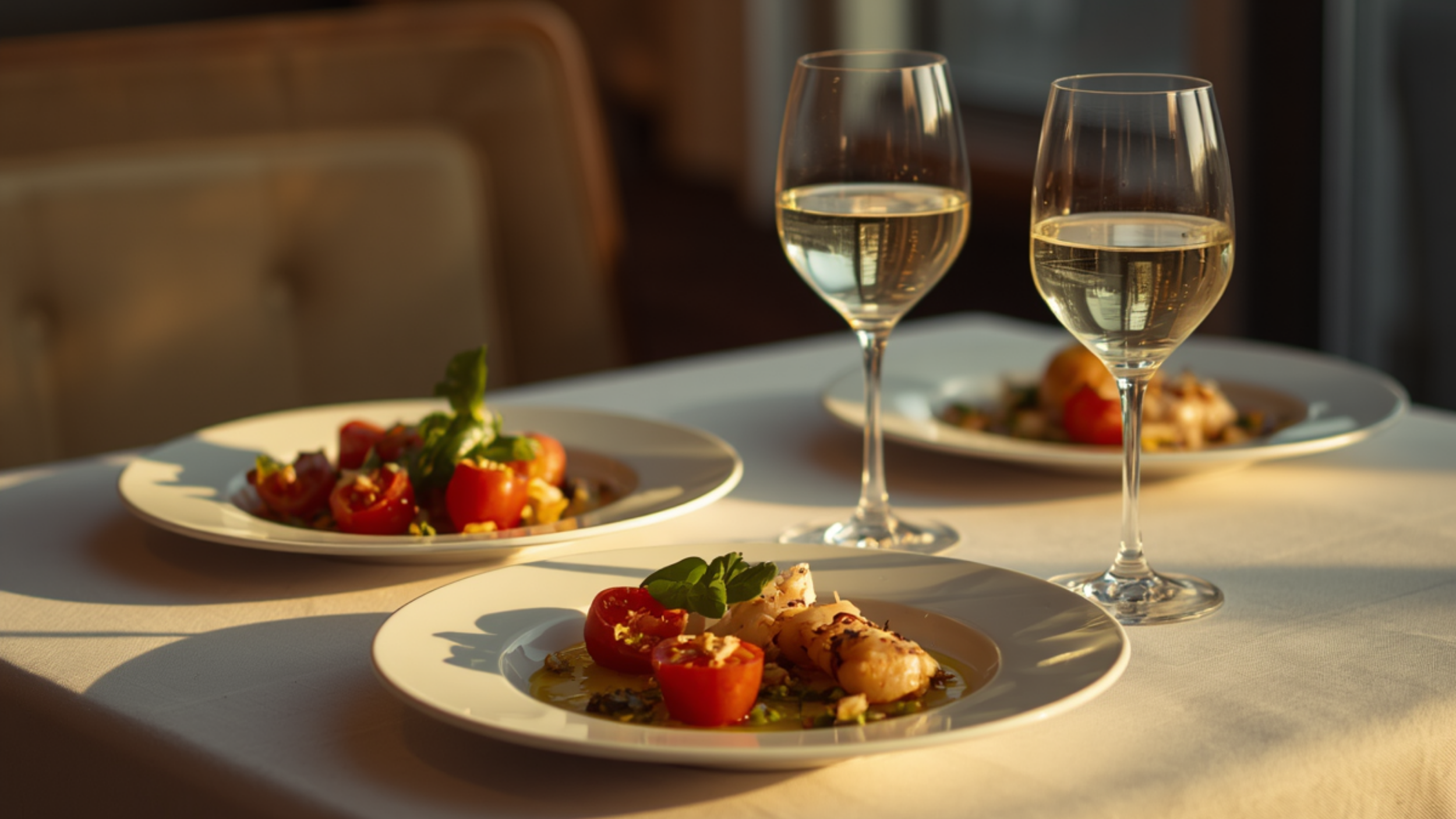
Italian summer dining has a particular kind of confidence to it — unhurried, ingredient-led, and quietly celebratory. The best meals don't try to impress with complexity; they impress with clarity. A tomato tastes like tomato. Olive oil is chosen with intention. Basil is treated like a main ingredient, not a garnish.
If you've ever wondered why authentic Italian food feels so different in the warmer months, it's because Italian summer cuisine is built around a few timeless principles: freshness, restraint, regional identity, and the rhythm of eating well with the people you enjoy most.
At Cielo, we love summer for exactly these reasons. It's the season when authentic Italian cooking's most refined qualities — balance, simplicity, and craft — genuinely shine through.
Why Summer Tastes Different in Italy
In Italy, summer changes the way people shop, cook, and gather. Markets fill with sun-ripened produce; seafood and lighter preparations become more prominent; and meals often stretch longer into the evening, when the heat softens and the table becomes the centre of the day.
This isn't "light food" in the restrictive sense. It's satisfying food that feels clean on the palate: bright acidity, fragrant herbs, quality olive oil, and careful seasoning. The goal isn't to overwhelm — it's to let the ingredients speak for themselves.
The Italian Summer Table: Key Traditions You'll Recognise (And a Few You Won't)
Italian dining traditions are as much about structure as they are about flavour. While every region has its own habits, summer meals often follow familiar patterns:
Aperitivo: a pre-dinner pause — something crisp and refreshing, paired with small bites. It's less about drinking and more about transitioning into the evening
Antipasti that feel seasonal: marinated vegetables, fresh mozzarella, seafood, and salads that rely on great produce rather than heavy dressing
Pasta that stays elegant: summer pasta is often lighter — tomato-forward, herb-led, seafood-based, or finished with olive oil rather than rich sauces
Secondi that respect the heat: grilled fish, chicken, or meat cooked with restraint, served alongside vegetables that still taste like the garden
Dolci with freshness: citrus, berries, and creamy-but-light finishes
A subtle tradition worth noting: in Italy, "authentic" doesn't mean the same dish everywhere. It means the dish makes sense where you are — using local ingredients, local techniques, and local logic. That's the real heart of authentic Italian food.
Regional Summer Specialties (And What Makes Each One Unique)
To understand authentic Italian food, it helps to travel by region — even if only through the menu. Here are a few summer-driven identities that shape Italy's table.
Liguria: Basil, Olive Oil, and Coastal Simplicity
Liguria's cuisine is a masterclass in restraint. Along the coast, flavours stay bright and aromatic: basil, lemon, delicate seafood, and olive oil with a peppery finish.
Summer here is about fragrance and freshness — the kind of cooking that feels effortless but depends entirely on ingredient quality and careful handling. A basil-forward sauce, for example, only works when the basil is fresh, the olive oil is excellent, and the balance is exactly right.
Sicily: Citrus, Capers, and Sweet-Savoury Contrast
Sicilian summer food is vivid. Citrus, aubergine, tomatoes, pistachio, capers, and seafood show up in combinations that feel both bold and precise.
One of Sicily's signatures is contrast: sweet and savoury, rich and bright, soft and crunchy. Those contrasts aren't random — they're cultural, shaped by history and by what grows well in the heat.
Emilia-Romagna: Craft, Heritage, and Celebratory Dining
Emilia-Romagna is known for culinary heritage and craftsmanship — fresh pasta traditions, aged cheeses, and cured meats. In summer, the region still celebrates abundance, but the table often shifts toward cleaner pairings and seasonal produce alongside the classics.
The key here is technique: dough texture, correct cooking times, and the confidence to keep a dish properly focused rather than overloaded.
Campania: Sun-Ripened Tomatoes and Mozzarella at Its Best
Campania's summer identity is built on ingredients that peak in warmth: tomatoes with real sweetness and acidity, basil that's intensely aromatic, and mozzarella that's all about freshness.
When these ingredients are treated with respect — handled well, served at the right temperature, seasoned thoughtfully — they don't need much else at all.
Ingredients That Signal "Authentic Italian Food" in Summer
If you're trying to spot authenticity without turning dinner into an exam, look for a few simple signals:
Tomatoes that taste truly ripe: sweetness, acidity, and depth — not watery, not bland
Olive oil used intentionally: not just for cooking, but to finish and elevate a dish
Fresh herbs as a key flavour: basil, parsley, oregano — used with genuine purpose
Seasonal vegetables prepared simply: grilled, roasted, marinated — so the ingredient remains the star
Seafood handled with restraint: clean flavours, correct cookery, minimal masking
These are the building blocks of summer dining in Italy — and they're also the building blocks of authentic Italian cooking anywhere, including in a Cheshire dining room.
Traditional Cooking Methods That Keep Flavours Clean and Refined
Traditional Italian cooking methods depend on techniques that preserve clarity:
Grilling and char for natural sweetness and smokiness, without heaviness
Quick sautéing to keep vegetables vibrant and pasta sauces fresh
Slow roasting (often earlier in the day) to deepen flavour without creating overly rich sauces
Marinating vegetables and seafood to build complexity through time rather than added ingredients
This is where authenticity becomes more than a list of dishes. It's a mindset: technique-led, ingredient-first, and disciplined. For more on how this plays out on a plate, why Italian pasta hits different at Cielo goes into the detail.
How to Choose an Italian Restaurant for Summer Dining (A Quick Checklist)
When you're deciding where to book — whether it's a date night, a family meal, or a celebration — these questions can help you find what to look for in an Italian restaurant:
Does the menu feel seasonal, not static? Summer should bring lighter, fresher options
Are ingredients described with care, without overdoing it? Quality speaks quietly
Do dishes sound regional rather than generic? Authenticity often lives in specifics
Is the atmosphere suited to lingering? Italian summer dining is meant to feel relaxed
Is there a clear point of view? The best Italian restaurants aren't trying to be everything — they're trying to be excellent
For more on what that looks like in practice, what to expect at a refined Italian dinner in Poynton sets out exactly this.
What Sets Cielo Apart
Cielo is built around a simple promise: a genuine Italian dining experience with a premium feel — refined flavours, elegant presentation, and a relaxed yet sophisticated atmosphere.
Where that becomes meaningful is in the details: ingredient quality, traditional methods, and a menu philosophy that respects regional Italian cuisine rather than flattening it into one-size-fits-all "Italian." The aim isn't to overload plates or chase trends. It's to deliver the kind of balanced, confident cooking you'd expect from a restaurant that takes authenticity seriously. Explore the menu to see how this comes together across starters, pasta, and mains, and read the Cielo story for more on the approach behind it.
Experience Italian Summer Traditions in Poynton
If reading about Italy's summer table has you craving something fresh, elegant, and genuinely Italian, we'd love to welcome you to Cielo in Poynton.
Book a table at Cielo and experience Italian summer dining traditions — thoughtfully prepared, beautifully presented, and made for an unhurried evening.
FAQs
Q: What makes Italian food "authentic"? Authentic Italian food is defined by regional specificity and ingredient quality rather than a single fixed style. It means a dish makes sense where it's served — using local ingredients, traditional techniques, and the logic of that particular region, whether that's Liguria's coastal simplicity or Campania's tomato-and-mozzarella focus. Authenticity is a mindset of restraint and respect for ingredients, not a checklist of specific dishes.
Q: How is Italian food different in summer? Italian summer cooking favours lighter, fresher preparations — seafood, grilled vegetables, herb-led sauces, and dishes finished with good olive oil rather than heavy cream or rich reductions. Meals also tend to stretch later into the evening, with aperitivo marking a relaxed transition before dinner. The focus shifts to clarity and freshness rather than heaviness.
Q: What are the best regional Italian dishes for summer? Liguria offers basil-forward, coastal-simple cooking; Sicily brings vivid citrus, caper, and sweet-savoury contrasts; Emilia-Romagna pairs its heritage pasta and cured meats with lighter seasonal produce; and Campania showcases sun-ripened tomatoes and fresh mozzarella at their absolute best. Each region's summer identity reflects its climate and local ingredients.
Q: How do I choose a good Italian restaurant for summer dining? Look for a menu that changes with the seasons rather than staying static, dishes described with specific regional character rather than generic labels, and an atmosphere suited to a relaxed, unhurried meal. A restaurant with a clear culinary point of view — rather than trying to please everyone — is usually a strong sign of genuine quality.
Q: Where can I experience authentic Italian summer dining in Poynton? Cielo Italiano at 61A London Road South, Poynton, SK12 1LA offers a refined, relaxed setting built around genuine Italian cooking — seasonal dishes, quality ingredients, and traditional methods. Open Monday–Thursday 12–22:00, Friday–Saturday 12–23:00, Sunday 12–21:00. View the menu or book a table online.
